Source Commercial Dish Washing Machine for Hotels, Restaurants, and Cafes
Explore 30 commercial dish washing machine options with varying capacities and power ratings. Buyers can compare models featuring full-integrated control, CE certification, and automatic operating procedures to find the right fit for their facility.
Key considerations
Products List


Industrial Dish Washing Machine Restaurant Dishwasher Dish Washer Machine Home
$1180.00 - $1308.00
Moq: 1


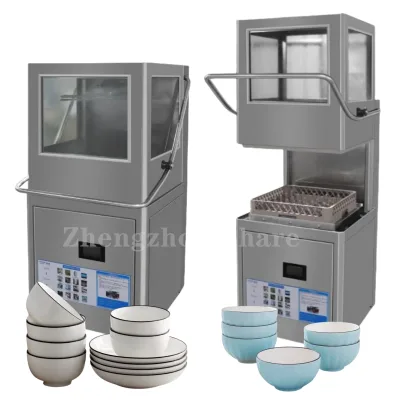
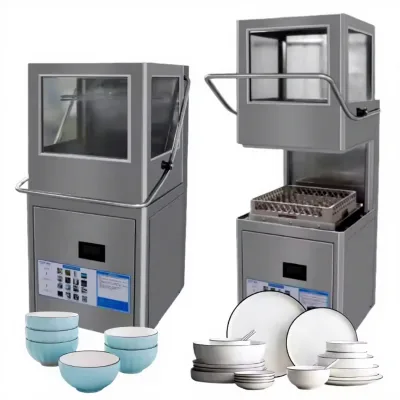
Hood Type Automatic Dishes Washer Dish Washing Machine with Perspective Window
$2950.00 - $3215.00
Moq: 1




Comprehensive Sourcing Guide
Strategic Sourcing Guide for Commercial Dish Washing Machines
The global demand for high-efficiency commercial dish washing machines has intensified as hospitality and food service operators seek to optimize throughput while adhering to strict hygiene protocols. Sourcing the correct equipment requires a disciplined approach that moves beyond basic price comparisons to a rigorous analysis of technical specifications, certification validity, and operational fit. This guide synthesizes available market data to provide a framework for procurement professionals evaluating commercial dish washing solutions. The focus remains on evidence-based attributes observed in current product listings, ensuring that buyers can make informed decisions without relying on unverified marketing claims.
Technical Architecture and Operational Specifications
Understanding the mechanical and electrical architecture of a commercial dish washer is the first step in the sourcing process. The market presents a diverse range of configurations, from floor-standing units to specialized hood types, each designed for specific throughput requirements. A critical observation in current product data indicates that high-performance units often operate on a 380V, 50Hz electrical standard, though some models accommodate 380V/220V flexibility to suit varying regional power infrastructures. Power consumption is a significant variable; observed specifications range from 5kW to 12kW for standard units, while heavy-duty industrial models may require up to 42.16kW of total power. This total power figure often aggregates multiple subsystems, including frequency conversion heating elements rated at 8.5kW per phase, constant temperature heating, and various pump systems.
The washing capacity is another defining technical parameter. Buyers must distinguish between rack-based and basket-based throughput. Data indicates that certain industrial models are rated for 60-100 racks per hour, whereas high-volume conveyor or tunnel systems can achieve 1500-2500 pieces per hour. For smaller operations, units may be rated at 50 baskets per hour. The physical dimensions of the machine are equally critical for facility planning. Observed package sizes include dimensions such as 13609551525mm and 35009201400mm, with gross weights ranging from 200kg to significantly higher values for larger tunnel systems. The internal tank capacity also varies, with some units featuring a 102L tank and others boasting a capacity of ≥350L.
The cleaning mechanism itself is a key differentiator. Advanced models utilize up and down high-pressure spray technology, often driven by dedicated water pumps with specific power ratings, such as a 1.5kW main washing pump and a 0.75kW rinse pump. The heating method is another vital specification; frequency conversion heating is increasingly common for its efficiency and precision, allowing for stable temperature control during the wash cycle. The rinse temperature is typically maintained between 85-90°C, a range essential for effective sanitization. The washing time can be programmable, with observed ranges spanning from 60 seconds to 300 seconds, allowing operators to adjust cycles based on soil levels.
Compliance, Certification, and Safety Standards
In the commercial food service sector, regulatory compliance is non-negotiable. Buyers must verify that any proposed equipment carries recognized certifications that validate its safety and electrical integrity. The product data confirms the presence of CE certification, which indicates conformity with health, safety, and environmental protection standards for products sold within the European Economic Area. Additionally, ISOCE certification appears in the specifications, suggesting adherence to specific international quality and safety management systems. Some high-end models also list GS certification, which is a German safety mark often required for equipment entering specific European markets.
It is imperative for procurement teams to treat these certifications as observations of specific models rather than universal attributes of all commercial dishwashers. A supplier may offer a model with CE and ISOCE marks, while a different model in the same catalog might lack them. Therefore, the sourcing strategy must include a direct request for valid certification documents for the specific model number being purchased. The standard dimensions and construction materials must also align with local building codes and fire safety regulations. For instance, the wooden packaging observed in product listings is a standard for export but does not reflect the material safety of the machine itself. Buyers should verify that the internal components, such as the frequency conversion heating elements and electrical wiring, meet the specific electrical codes of the destination country.
Cost Drivers and Total Cost of Ownership
The initial purchase price of a commercial dish washing machine is only one component of the total cost of ownership (TCO). The observed price range in the market is vast, spanning from $70 to $12,000, a disparity that reflects differences in capacity, automation level, and build quality. A unit priced at the lower end of this spectrum is likely a single-door, floor-standing model with a 18-20kW power rating and a capacity of 60-100 racks/hour. In contrast, a unit approaching the upper limit likely features a Hood Type design, advanced Multi-function Disinfection Apparatus, and a capacity exceeding 1500 pieces/hour.
Several technical factors drive these costs. The Total Power requirement is a primary driver; a machine with 42.16kW of power consumption will inherently cost more due to the complexity of its electrical systems and the robustness of its components. The inclusion of Frequency Conversion Heating and multiple high-power pumps (e.g., 1.5kW main pump, 0.75kW rinse pump) adds to the manufacturing cost. Furthermore, the Customization availability noted in product attributes can significantly impact the final price. Buyers seeking specific Rose Gold finishes or custom Entrance Heights (e.g., 450mm) may incur additional charges.
Water and energy consumption are ongoing operational costs. While some models consume 6L/Min of water, others may use 450L/H depending on the cycle and capacity. The Rinse Temperature of 85-90°C requires significant energy input, making the efficiency of the heating system a critical financial consideration. Buyers should calculate the cost per rack or per piece based on the observed Water Consumption and Power ratings to determine the true economic viability of a machine for their specific volume.
Typical Applications and Operational Fit
Commercial dish washing machines are not one-size-fits-all solutions; their application depends heavily on the specific operational environment. The Style of the machine, such as the Jet style or Hood Type, dictates its suitability for different kitchen layouts. Floor-standing units are ideal for establishments with limited counter space but require adequate floor space for installation. The Number of Disinfection Cabinet being a Single Door suggests a design focused on high-volume throughput where items are loaded and unloaded continuously.
The Operating Procedures are typically Automatic, reducing the reliance on manual labor and ensuring consistent cleaning results. This is crucial for high-volume environments like hotels, hospitals, and large restaurants where consistency is paramount. The Washing Capacity of 50 Baskets/Hour might be suitable for a small café, whereas a 1500-2500PCS/H capacity is necessary for a central kitchen or a large banquet hall. The Cleaning Method of up and Down High Pressure Spray is particularly effective for heavily soiled pots and pans, making it suitable for commercial kitchens that handle large volumes of cookware.
Supplier Evaluation and Quality Assurance
When evaluating potential suppliers, buyers must look beyond the product listing and assess the supplier's ability to deliver consistent quality. The prod_origin is listed as China for many of the observed models, indicating a specific manufacturing hub. Buyers should verify the supplier's track record in exporting to their specific region and their ability to support the 380V, 50Hz electrical requirements. The prod_packing being Wooden or Wooden Packaging is a standard for international shipping, but buyers should also inquire about the durability of the packaging to ensure the machine arrives without damage.
Quality control should be a central part of the evaluation process. Buyers must request detailed technical drawings and performance data sheets that confirm the Net Weight and Gross Weight figures. The Standard dimensions provided, such as 12708301380mm or 35009201400mm, should be cross-referenced with the physical space available in the kitchen. It is also essential to verify the Model No. (e.g., P50, P50Air, P60Air, HC-X1) to ensure that the specific features, such as the Rinse Temperature and Washing Time, match the operational needs.
Long-Term Procurement and Maintenance Considerations
Long-term procurement involves planning for maintenance, spare parts availability, and potential upgrades. The Customization availability suggests that some suppliers may offer tailored solutions, but buyers should ensure that any customizations do not compromise the availability of standard spare parts. The Disinfection Apparatus Function being Multi-function implies a complex system that may require specialized maintenance. Buyers should establish a relationship with the supplier to ensure access to technical support and genuine replacement parts for components like the Rinse Water Pump and Main Washing Water Pump.
The Washing Time and Rinse Temperature are critical for the longevity of the machine. Operating the machine within the specified 85-90°C range ensures optimal performance and prevents scaling or corrosion. Buyers should also consider the Water Consumption and Tank Capacity in the context of their local water availability and waste disposal regulations. A machine with a 102L tank may be more suitable for areas with limited water supply, while a ≥350L tank might be necessary for continuous high-volume operations.
Comparative Analysis of Key Specifications
To facilitate decision-making, the following table summarizes the key technical specifications observed in the market data, highlighting the range of options available to buyers.
| Specification Category | Low-End / Standard Model | High-End / Industrial Model |
|---|---|---|
| Power Rating | 5kW - 12kW | 18kW - 42.16kW |
| Voltage | 380V/220V | 380V, 50Hz |
| Washing Capacity | 50 Baskets/Hour | 1500-2500 PCS/Hour |
| Rinse Temperature | 85-90°C | 85-90°C |
| Water Consumption | 3L/Minute | 6L/Minute / 450L/Hour |
| Heating Method | Standard Heating | Frequency Conversion Heating |
| Certification | CE | CE, ISOCE, GS |
| Package Size | 13609551525mm | 35009201400mm |
| Gross Weight | 200kg | >200kg (Varies) |
| Style | Jet / Floor-standing | Hood Type / Tunnel |
This comparison underscores the importance of matching the machine's specifications to the specific operational demands of the facility. A buyer must carefully weigh the trade-offs between capacity, power consumption, and initial cost to make a procurement decision that ensures long-term operational efficiency. By adhering to the evidence-based criteria outlined in this guide, buyers can navigate the complex landscape of commercial dish washing machines with confidence and precision.
FAQs
What certifications do commercial dish washing machines typically have?
Models often carry CE and ISOCE certifications, with some high-end units also listing GS marks. These certifications validate safety and electrical integrity for specific models rather than all units, so buyers must request valid documents for the exact model number being purchased.
How much power do industrial commercial dish washing machines require?
Industrial units can require up to 42.16kW of total power, aggregating heating elements and pump systems. Standard models typically range from 5kW to 12kW, while heavy-duty configurations may operate at 18kW to 20kW depending on the specific capacity and features.
What is the typical washing capacity for high-volume commercial units?
High-volume conveyor or tunnel systems can achieve 1500 to 2500 pieces per hour. Smaller operations may find units rated for 50 baskets per hour, while industrial models often handle 60 to 100 racks per hour based on their specific design.
Can commercial dish washing machines be customized for specific needs?
Customization is available for features like color finishes, entrance heights, and specific dimensions. Buyers seeking unique attributes such as a Rose Gold finish or a 450mm entrance height may incur additional charges for these tailored solutions.
What is the standard rinse temperature for effective sanitization?
The rinse temperature is typically maintained between 85 to 90 degrees Celsius for effective sanitization. This range is essential for hygiene and requires significant energy input, making the efficiency of the heating system a critical financial consideration for operators.
Where are these commercial dish washing machines typically manufactured?
Many observed models originate from China, indicating a specific manufacturing hub for this equipment. Buyers should verify the supplier's track record in exporting to their region and their ability to support the required 380V, 50Hz electrical standards.
What is the price range for commercial dish washing machines?
The observed price range spans from 70 to 12,000 USD, reflecting differences in capacity and automation. Lower-priced units are often single-door models, while higher-cost units feature advanced multi-function disinfection and capacities exceeding 1500 pieces per hour.